


- Vitamin B12 is an essential vitamin for the cells. It is important to keep your nerve cells and blood cells healthy.
- Animal sources of food (meat, fish, eggs) provide an incredible amount of vitamin B12, and little vitamin B12 will be obtained from plant sources.
- Due to less amount of vitamin B12 in plant-based food, the people who follow a vegetarian diet, vegan diet have to take care of daily requirements of vitamin B12 to avoid a deficiency.
- Deficiency of vitamin B12 can lead to serious health consequences, such as memory loss and pernicious anemia.
- While vegetarians and vegans need to think more about where their vitamin B12 is coming from, there are still plenty of great options.
- Let’s see the top vitamin B12 foods for vegetarians and vegans.
- Vegetarians have several options for sources of B12.
- These include fortified foods and milk products, such as cheese and curd.
- Vegans have a more limited list of options. Fortified foods, or those with added vitamin B12, are the main source for them.
- Other sources of green algae, like spirulina, nutritional yeast, and mushrooms, also have a good amount of vitamin B12.
- Below, we take a closer look at the best sources of Vitamin B12 Foods for Vegetarians and Vegans.
You may like to read: sign & symptoms of vitamin B12 deficiency
1. Milk and Milk Products :

| Indian Buffalo Milk contains 0.36 mcg per 100gm |
| Sheep Milk contains 0.7 mcg per 100gm |
| Goat Milk contains 0.065 mcg per 100gm |
| Human Milk contains 0.064 mcg per 100gm |
| Mozzarella Cheese contains 2.3 mcg per 100gm |
| Swiss Cheese contains 3.1 mcg per 100gm |
| Whole Milk Yogurt contains 0.37 mcg per 100gm |
| Buttermilk whole milk contains 0.46 mcg per 100gm |
| Buttermilk low fat contains 0.22 mcg per 100gm |
| Paneer contains 0.5 mcg to 1.1 mcg of vitamin B12 per 100 g |
| Ghee contains vitamin B12 up to 0.4 mcg per 100gm |
| With bioavailability of milk up to 55 to 65% |
Milk is called sampurna aahar. It means a whole meal because it contains an enormous amount of protein, fat, all vitamins, and necessary electrolytes too. If an adult human consumes 250 ml of milk daily, it will fulfill your daily basic nutritional requirements.
Milk and milk products like cheese, yogurt (curd), buttermilk, paneer, and ghee are one of the great sources of vitamin B12 for vegetarians and vegans too. But remember, milk is a little heavy to digest because of its high concentration of nutrition.
People who are suffering from gastric complaints like indigestion or gastritis may get difficulty in digesting milk or milk products. Some people are lactose intolerant and get an adverse reaction after taking milk or milk products.
I will say, if you have gastric complaints & you are lactose intolerant, try to avoid it and choose another source of vitamin B12 in your diet.
2. Spirulina & Sea Weeds:

| Spirulina and seaweeds contain up to 50 to 70 mcg per 100 gm |
Spirulina and seaweeds are lower plants that synthesise vitamin B12 in nature and one of the leading sources in ayurveda for providing plant-based vitamin B12 food for vegetarians and vegans.
The dried form of spirulina or seaweed is available for use as a supplement of vitamin B12. In a clinical trial, we found that they frequently cause bloating, nauseating feeling if you take it on an empty stomach and indigestion if you take it after meals. So, you have to minimise daily consumption of such a vitamin B12 source according to your health condition.
3. Fortified Foods and Dishes Made Up of Fermented Batter:

| Fortified food packages contain a variable amount according to the % RDA |
| Fermented food contains trace amounts |
| With bioavailability upto 90% |
Fortified foods are those that have nutrients added to them, e.g., added vitamins like vit-A, vit-D, vit-B12 etc. They are easily available in the market in the form of fortified milk, yogurt, breakfast cereals, breads, and fruit juices.
This is the most reliable and consistent source of vitamin B12 on a vegan diet. Food fortified with vitamin B12 can help you meet your daily intake requirement. These are a readily available source of vitamin B12 with high bioavailability for vegetarians and vegans.
Fortified breakfast cereals often contain 25% of DV per serving, so check and read the packaging for how much vitamin B12 it has. The fermentation process is a bacterial process in which macromolecules are broken down into smaller, easily absorbable nutrients. Thus, it's full of essential nutrients and also easy to digest. It will also provide a trace amount of vitamin B12.
4. Nutritional Yeast:

| Nutritional yeast contains 150 mcg per 100 gm |
Nutritional yeast is a good source of vitamin B6 and vitamin B12, and nine essential amino acids. Nutritional yeast also contains powerful antioxidants. These compounds may help protect your cells from damage caused by free radicals and heavy metals and help your body eliminate environmental toxins. You can find nutritional yeast in the market and you can make delicious dishes from it, like various kinds of breads, kulchas, naan, and for a tasty snack, sprinkle nutritional yeast on popcorn.
5. Soya Chunks:
| Soya chunks contain up to 8 mcg per 100 gm |

Fermented soybean-based food called Tempe or natto contains a considerable amount of Vitamin B12 due to the fermentation process in soybeans. Study is shown that it causes hormonal changes and is also linked to thyroid trouble and gynecomastia (male boobs). So, it's good to take 2 times a week up to 100 grams. If you are using soya chunks in diet for muscle building as a rich protein source, I suggest you not take it more than 3 times a week.
6. Sprouts (germinated beans):
| Mung sprout contain up to 0.7 mcg per 100 gm |
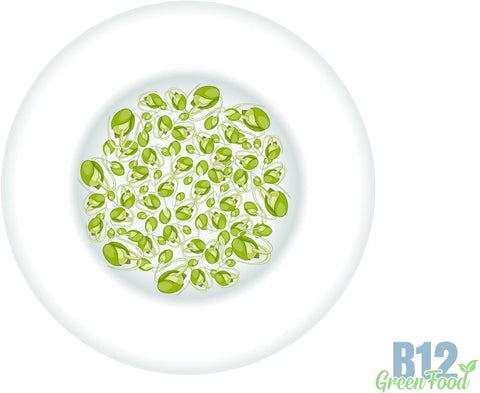
Mung bean sprouts are one of the best sources of vitamin B12 for vegetarians. Pulses get vitamin B12 from microorganisms harboured in their root nodules. Sprouts are a good source of antioxidants, various body salts, protein, and vitamins. It will help you to maintain your good health.
7. Mushrooms:
| Dried shiitake mushrooms contain 5.6 mcg per 100 gm |

Yes, it’s true that you can obtain vitamin B12 from mushroom but it's not a reliable source and furthermore it's allergenic too. You would need to consume approximately 50 grams of dried shiitake mushrooms to meet your daily vitamin B12 requirements.
Vitamin B12 supports brain function, nerve health, and red blood cell formation. Learn more in Health Benefits of Vitamin B12.
Conclusion:
- Due to the lower amount of vitamin B12 in plant-based foods, people who follow a vegetarian or vegan diet must take care of their daily vitamin B12 requirements. This need can be fulfilled by consuming the given food sources in your diet.
- Or else, you have to take vitamin B12 supplements to avoid a vitamin B12 deficiency.


